
Technology
Why LFP Batteries Are the Future of EVs

Every electric vehicle manufacturer faces the same fundamental decision: which battery chemistry to build on. At Kabira, we chose LFP (Lithium Iron Phosphate), and we chose it early.
The dominant chemistry in the EV industry has been NMC (Nickel Manganese Cobalt). It's energy-dense, which means you can pack more range into a smaller, lighter pack. On paper, it looks like the obvious choice. But paper doesn't catch fire. NMC batteries can.
The Safety Argument
NMC batteries are prone to thermal runaway. When an NMC cell is damaged, overcharged, or exposed to extreme heat, it can enter a self-sustaining chain reaction that leads to fire. This isn't a theoretical concern; it's the reason behind multiple EV recalls globally.
LFP cells are inherently stable. The iron phosphate cathode has a much higher thermal threshold. Even when punctured or overcharged, LFP cells don't experience thermal runaway in the same way. For a vehicle that will be ridden through Indian summers at 45+ degrees, this matters.
Cycle Life: The Long Game
An NMC battery retains about 80% capacity after 800-1,000 charge cycles. Sounds decent until you do the math. If you charge daily, that's roughly 2-3 years before noticeable degradation.
LFP batteries retain 80%+ capacity after 2,000-3,000 cycles. That's 6-8 years of daily charging. For our customers, this means the battery outlasts the loan period, outlasts most ownership cycles, and holds residual value.
The BYD Partnership
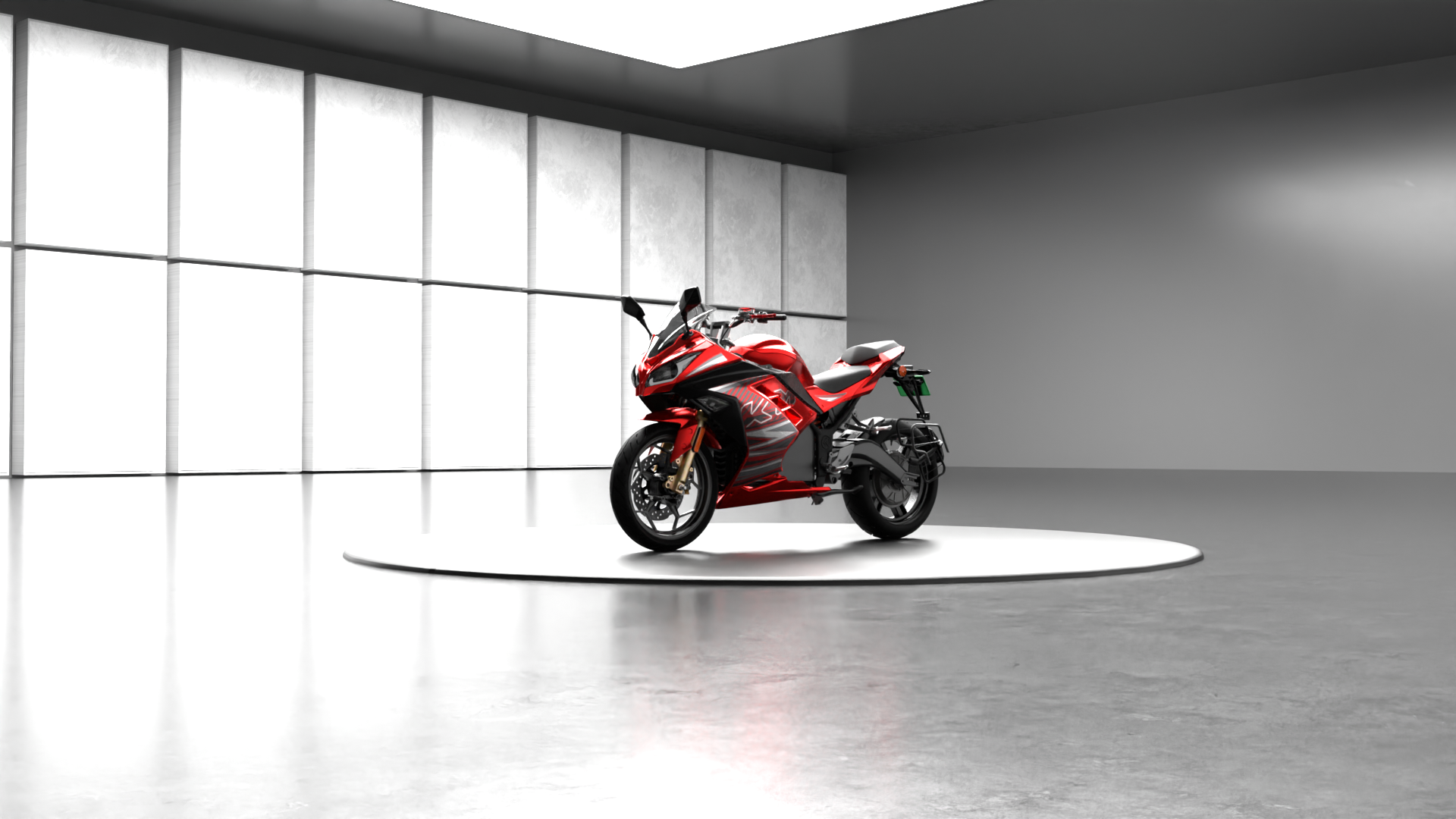
Our upcoming KM5000 takes this further with BYD Blade cells, a form factor innovation that packs LFP cells into a structural blade configuration. The result: higher energy density than traditional LFP, approaching NMC levels, with none of the safety compromises.
BYD demonstrated this technology by driving a nail through a Blade cell with no fire, no smoke, no thermal runaway. We're bringing this technology to Indian electric motorcycles for the first time.
Cost and Supply Chain
LFP doesn't use cobalt or nickel. Both are expensive, supply-constrained, and tied to complex geopolitical dynamics. Iron and phosphate are abundant and cheap. This translates directly to lower battery costs and more predictable pricing for our customers.
The Trade-Off
LFP is heavier per kWh than NMC. For cars, this is a significant consideration. For motorcycles and scooters, the weight difference is manageable, and the safety, longevity, and cost advantages more than compensate.
We didn't choose LFP because it was trendy. We chose it because the engineering made sense. Every Kabira vehicle ships with LFP cells because we build for the long term, not the spec sheet.
Wish to know more about Kabira?
Take a closer look at the machines built for India’s roads.